

There’s something incredibly satisfying about a cozy bowl of homemade stir fry, and this Beef Lo Mein Stir Fry Recipe really hits the spot. It’s packed with tender beef, crisp veggies, and noodles coated in a savory, slightly sweet sauce that’ll make your kitchen smell amazing. You’ll find it’s easier to make than takeout but tastes even better!

Why You’ll Love This Recipe
- Perfectly Balanced Sauce: The blend of beef and chicken broth with soy sauce creates a rich, flavorful base you won’t find in typical recipes.
- Tender, Juicy Beef: Pounding and marinating the steak tenderizes it beautifully for melt-in-your-mouth bites every time.
- Quick & Customizable: Ready in under 40 minutes with plenty of room to swap veggies or protein, making it your go-to stir fry.
Ingredients You’ll Need
This Beef Lo Mein Stir Fry Recipe relies on fresh ingredients that complement each other perfectly, ensuring every bite is full of flavor. A quick trip to your grocery store will get you everything needed to whip it up in no time.

- Beef broth: Using beef broth enhances the meaty depth of the sauce; homemade or store-bought both work well.
- Chicken broth: It might sound odd to mix broths, but the chicken broth lightens and balances the sauce beautifully.
- Soy sauce: This is the salty umami kick; opt for low sodium if you want more control over saltiness.
- Brown sugar: Adds a subtle sweetness that caramelizes nicely in the sauce; honey works as a great alternative.
- Cornstarch: Essential for thickening the sauce to that perfect glossy consistency without clumps.
- Garlic: Fresh minced garlic gives a fragrant punch that matches perfectly with beef.
- Hot sauce: Just a teaspoon wakes up the flavors with a hint of heat, but you can adjust to your taste.
- Toasted sesame oil: A little goes a long way to deliver that classic Asian stir-fry aroma and flavor.
- Ground ginger: Adds warmth and a touch of zest to the mix, balancing the sweetness and soy.
- Red pepper flakes: Optional, but I love the gentle kick it gives in the background.
- Top sirloin steak: Tender and lean, it’s my favorite cut for stir fry; flank or skirt steak also do well.
- Garlic powder and onion powder: These seasonings round out the beef’s flavor without overpowering it.
- Peanut oil: Great for high-heat cooking – it sears beef quickly without smoking.
- Dry white wine: Deglazing the pan with wine adds a layer of complexity; I suggest a Chardonnay or Pinot Grigio.
- Broccoli: Crisp florets offer a wonderful textural contrast, make sure to cut bite-sized.
- Yellow onion: Adds sweetness when cooked, go for chunky cuts that won’t disintegrate.
- Red bell pepper: I love the bright color and slight crunch; it balances the dish visually and flavor-wise.
- Carrots: Julienned carrots add both color and a bit of natural sweetness.
- Lo Mein noodles: Authentic noodles that soak up sauce perfectly, substitutable with spaghetti noodles.
- Green onions: For garnish; fresh pops of green and mild onion flavor finish the dish beautifully.
Variations
I love making this Beef Lo Mein Stir Fry Recipe my own depending on what’s in season or what I’m craving, so feel free to swap out veggies or try different proteins. It’s super adaptable!
- Vegetable swap: Once, I tossed in sliced mushrooms and snap peas for a fresher, earthier vibe, and my family went crazy for the change.
- Protein switches: Using shrimp or chicken instead of beef works great if you want to lighten it up or cater to picky eaters.
- Peanut butter addition: I sometimes stir in a tablespoon of peanut butter for a touch of nuttiness that takes the sauce to a new level.
- Gluten-free option: Swap soy sauce for tamari and use rice noodles instead of lo mein to keep it gluten-free without losing flavor.
How to Make Beef Lo Mein Stir Fry Recipe

Step 1: Make the Sauce and Marinate Your Beef
Start by mixing all the sauce ingredients in a large measuring cup. You’ll use most of it later, but set aside ¼ cup to marinate the beef. I’ve found this small step really tenderizes the meat and boosts its flavor. While you prep veggies and noodles, toss your sliced steak into that reserved sauce and let it soak up all that goodness.
Step 2: Tenderize and Prep Your Beef
I discovered that pounding the steak with a meat tenderizer before slicing makes a massive difference in texture. It breaks down the fibers so the beef cooks up tender instead of chewy. Be sure to slice against the grain in roughly 1.5-inch strips – this really helps you get those melt-in-your-mouth bites we all want in a stir fry.
Step 3: Sear the Beef and Deglaze the Pan
Heat peanut oil in a large skillet over medium-high heat, then add the beef strips letting them sear without moving for a couple of minutes. This ensures you get that gorgeous caramelized crust. Toss and cook the other sides just a bit longer, then toss the beef aside. Don’t skip deglazing the pan with dry white wine; scraping up those browned bits adds so much flavor to your sauce base.
Step 4: Cook Noodles and Vegetables
Boil the lo mein noodles but be sure to set a timer so you drain them just shy of al dente – they’ll finish cooking as you toss everything together. While the noodles are cooking, add your chopped veggies to the skillet with the reduced wine and cook until they soften but still have a little bite. I love that contrast in texture.
Step 5: Combine and Finish the Dish
Add the remaining sauce to the skillet and bring it to a boil. This activates the cornstarch, thickening the sauce to a beautiful glaze. Toss in your drained noodles a little at a time, stirring well so every strand is coated in that savory sauce. Finish by adding back the beef and any juices; heat it all together for a minute or two and you’re ready to serve.
Pro Tips for Making Beef Lo Mein Stir Fry Recipe
- Timing is Everything: Always set a timer when boiling noodles so they don’t get mushy—undercook by 1 minute for best texture.
- Don’t Skip Pounding the Beef: Tenderizing makes a huge difference, turning tough cuts into buttery bites.
- Use Wine for Depth: The white wine deglaze adds a subtle complexity that lifts the whole dish—if you avoid alcohol, chicken broth is a good substitute.
- Cook Veggies Just Right: Sauté veggies until slightly crisp, not soggy, so you get that satisfying crunch in every forkful.
How to Serve Beef Lo Mein Stir Fry Recipe

Garnishes
I always add a sprinkle of thinly sliced green onions for freshness and a little pop of color. Sometimes, I’ll toss on some crunchy chow mein noodles or chopped peanuts if I’m feeling fancy—it adds such a lovely textural contrast and nutty flavor that’s irresistible.
Side Dishes
While this recipe is a hearty one-pot dish, pairing it with a simple Asian-style cucumber salad or steamed dumplings makes for a well-rounded meal. For a lighter side, I love quick pickled carrots and daikon – the tartness cuts through the rich sauce perfectly.
Creative Ways to Present
Once, I served this stir fry in individual pineapple bowls for a tropical twist at a summer party. It’s fun and makes the meal feel extra special. You could also place it over fried rice or inside lettuce wraps for a fresh take that’s great for gatherings.
Make Ahead and Storage
Storing Leftovers
I store leftover Beef Lo Mein Stir Fry Recipe in an airtight container in the fridge and it stays great for up to 3 days. The flavors actually deepen overnight, so sometimes I even like it better the next day. Make sure to cool it completely before refrigerating to keep the texture fresh.
Freezing
This recipe freezes very well, which has saved me on busy nights more than once. Cool it thoroughly, then portion it into freezer-safe containers or bags. It’s good for up to 3 months. When you’re ready to eat, thaw overnight in the fridge for best results.
Reheating
To reheat, I prefer warming it gently in a skillet over medium heat to keep the beef tender and veggies crisp. A splash of water or broth helps loosen the sauce if it’s thickened too much in the fridge. Avoid microwaving too long or the noodles might get soggy.
FAQs
-
Can I use different noodles for Beef Lo Mein Stir Fry Recipe?
Absolutely! While traditional lo mein noodles are ideal because they soak up sauce nicely and have a great chew, you can substitute with spaghetti or even rice noodles. Just adjust cooking times accordingly to avoid overcooking.
-
How do I prevent the beef from becoming tough?
Pounding the beef before slicing and marinating it in the sauce really helps tenderize it. Also, searing it quickly over high heat prevents overcooking. Keep the beef pieces thin and slice against the grain for the best texture.
-
Can I make this recipe vegetarian or vegan?
Yes! Swap the beef for firm tofu or tempeh, and replace beef and chicken broths with vegetable broth. Use a vegan soy sauce variety and you’ll have a delicious plant-based version that still packs flavor.
-
What’s the best way to store leftover sauce?
You can keep leftover sauce in a sealed jar or container in the refrigerator for up to 3 days. Give it a good stir before using again, as cornstarch can settle. Reheat gently to avoid breaking the sauce consistency.
Final Thoughts
This Beef Lo Mein Stir Fry Recipe has become a staple in my kitchen because it’s full of honest flavors, quick to make, and thoroughly comforting. It reminds me of casual weeknight dinners with friends where everyone digs in happily. You’ll love how effortlessly it comes together and the way it fills your home with the most delicious aromas. Give it a try—I promise it’ll become one of your favorite go-to meals too!
Print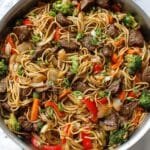
Beef Lo Mein Stir Fry Recipe
- Prep Time: 20 minutes
- Cook Time: 15 minutes
- Total Time: 35 minutes
- Yield: 4 servings 1x
- Category: Main Course
- Method: Stovetop
- Cuisine: Chinese
Description
This Beef Lo Mein recipe features tender top sirloin steak strips stir-fried with vibrant vegetables and coated in a flavorful sauce made from beef and chicken broth, soy sauce, and aromatics. Perfect for a quick and satisfying weeknight dinner, this dish combines the classic Chinese takeout flavors with homemade goodness and simple ingredients.
Ingredients
Sauce
- 1 cup beef broth
- ¾ cup chicken broth
- ¼ cup soy sauce
- 1 tablespoon brown sugar
- 2 tablespoons cornstarch
- 3 cloves garlic, minced
- 1 teaspoon hot sauce
- ¼ teaspoon toasted sesame oil
- ¼ teaspoon ground ginger
- 1 pinch red pepper flakes (optional)
Stir Fry
- 1 lb. top sirloin steak
- Salt and pepper, to taste
- ½ teaspoon garlic powder
- ½ teaspoon onion powder
- 2 tablespoons peanut oil, plus more as needed
- ½ cup dry white wine
- 2 cups broccoli, cut into bite-sized pieces
- 1 yellow onion, cut into chunks
- 1 red bell pepper, cut into chunks
- ½ cup carrots, julienned
- 8 oz. Lo Mein noodles
- Green onions, to garnish
Instructions
- Prepare Sauce: Combine all sauce ingredients in a large measuring cup with a spout. Transfer ¼ cup of this sauce to a medium bowl and set the rest aside for later use.
- Tenderize and Slice Beef: Cover the beef with plastic wrap and use a meat tenderizer to pound both sides, then trim away any large fat pieces. Slice the beef against the grain into strips about 1.5 inches long.
- Season and Marinate Beef: Season beef strips with salt, pepper, garlic powder, and onion powder. Toss the meat in the reserved ¼ cup of sauce and let it marinate while you prepare vegetables and cook noodles.
- Sear Beef: Heat 2 tablespoons peanut oil in a large skillet over medium-high heat. Add the beef and sear undisturbed for 2-3 minutes. Toss and cook the other sides for about 2 more minutes until browned but not fully cooked through. Remove beef and set aside.
- Deglaze Pan: Turn heat off, add white wine to skillet, then turn heat to medium. Use a spatula to scrape the bottom and sides of the pan to loosen browned bits. Let wine reduce by half, about 4 minutes.
- Cook Noodles: Boil salted water and cook Lo Mein noodles for 1 minute less than package al dente instructions. Drain and optionally toss with a little oil to prevent sticking.
- Sauté Vegetables: Add broccoli, onion, bell pepper, and carrots to the skillet with the wine and cook for about 3 minutes until slightly softened.
- Thicken Sauce: Pour the reserved sauce into the skillet and bring to a boil to activate the cornstarch and thicken the sauce. Once thickened, reduce heat to low.
- Combine Noodles and Sauce: Add cooked noodles gradually to the skillet, tossing to coat evenly with sauce until desired noodle-to-sauce ratio is achieved. Allow noodles to absorb sauce for better flavor melding.
- Finish with Beef: Return beef along with any juices to the skillet. Toss everything together and heat through for 1-2 minutes.
- Garnish and Serve: Sprinkle chopped green onions on top and serve immediately for the best flavor and texture.
Notes
- Great steak cuts to use: strip steak, skirt steak, flank steak, or sirloin.
- Use Chardonnay or Pinot Grigio as the white wine; chicken broth may substitute if avoiding alcohol.
- Lo Mein noodles cook quickly, about 4 minutes; spaghetti can be substituted if necessary.
- Using both chicken and beef broth adds depth but can use all chicken broth if preferred.
- Optional: add 1 tablespoon peanut butter to the sauce for a subtle peanut flavor.
- Vegetable variations like mushrooms, celery, green beans, or edamame work well.
- Toppings such as peanuts, cashews, or crunchy chow mein noodles add texture.
- Store leftovers in an airtight container refrigerated up to 3 days or frozen up to 3 months.
- Use a timer when cooking noodles to avoid overcooking and mushiness when reheating.
- For variation, try chicken or shrimp in separate recipes.


